Securing AI: How AI Gets Attacked — and Defended
How AI systems get attacked and defended — prompt injection, data poisoning, agent security, and the OWASP / MITRE ATLAS / NIST frameworks that govern them.
-
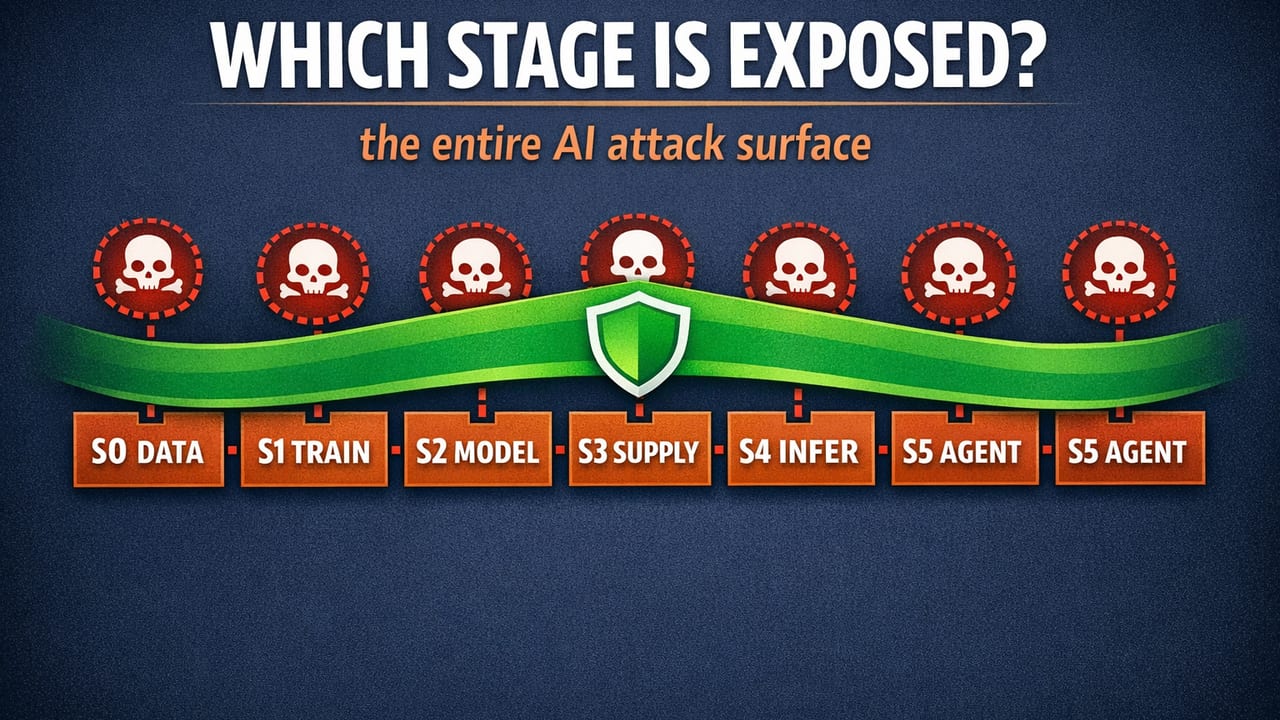 1 The AI Attack Surface Explained: The Mental Model for Securing AI Learn the 6-stage AI pipeline attack surface—from data poisoning to excessive agency—mapped to OWASP LLM Top 10 2025, MITRE ATLAS, and NIST AI RMF. Jun 25, 2026
 -
 2 AI Security vs AI Safety vs Cybersecurity: What's the Difference? Learn the three distinct disciplines — AI security, AI safety, and cybersecurity — why they overlap, and why blurring them creates gaps nobody owns. Jun 25, 2026
 -
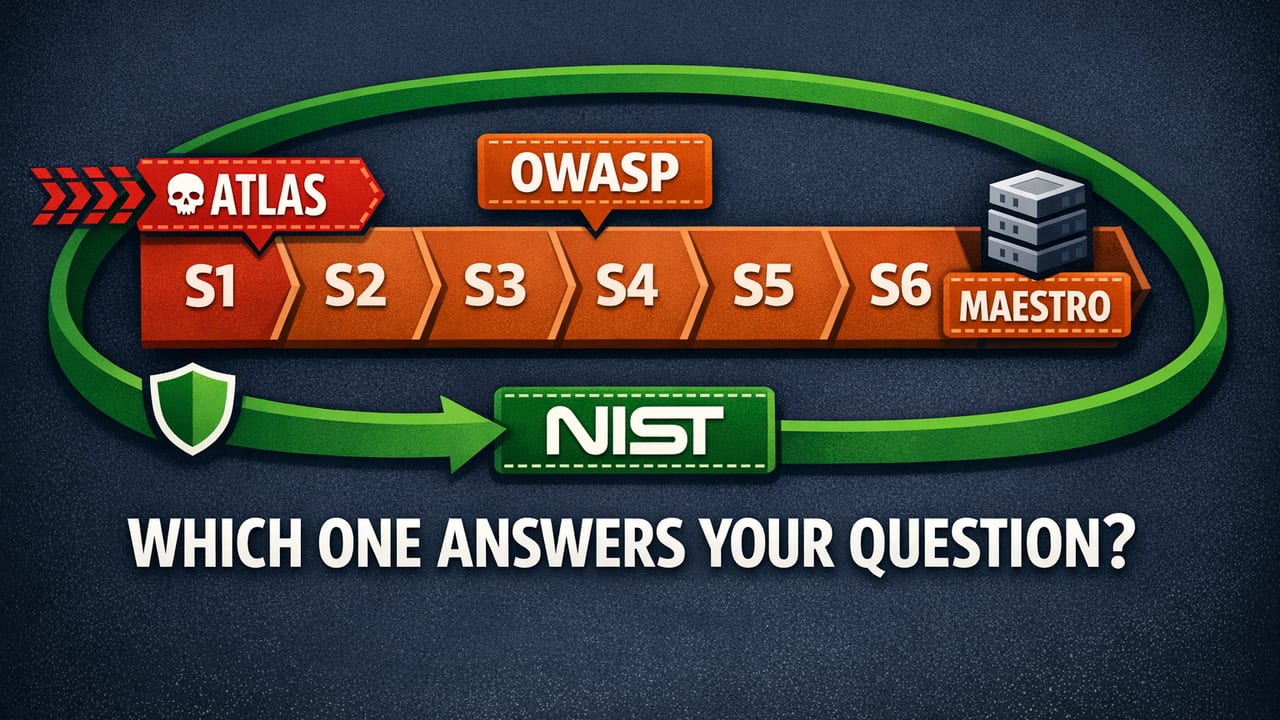 3 How to Threat Model an AI System: ATLAS, OWASP, MAESTRO & NIST ATLAS, OWASP, MAESTRO, and NIST answer four different questions about AI security. Learn which framework to reach for—and when—before threats find you. Jun 25, 2026
 -
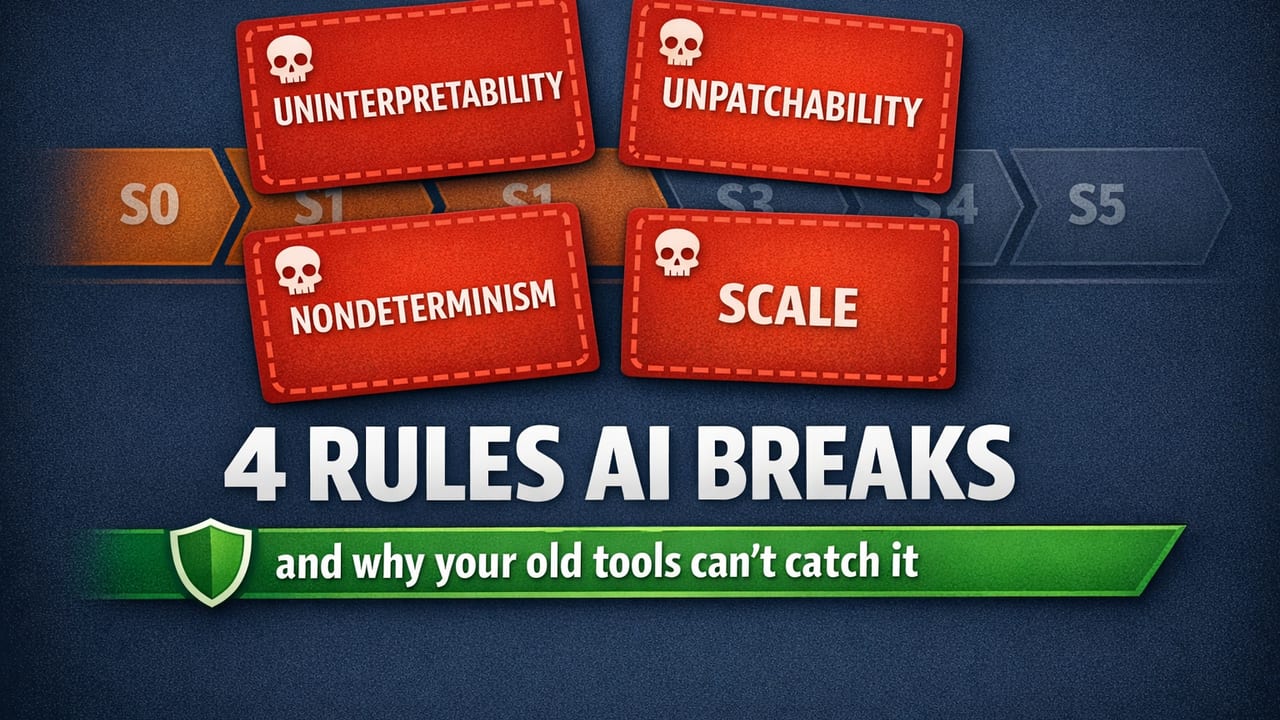 4 Why AI Is Uniquely Attackable: The Four Properties That Break Security Learn why uninterpretability, unpatchability, nondeterminism, and scale make AI fundamentally harder to secure than traditional software — and how to defend against each. Jun 25, 2026
 -
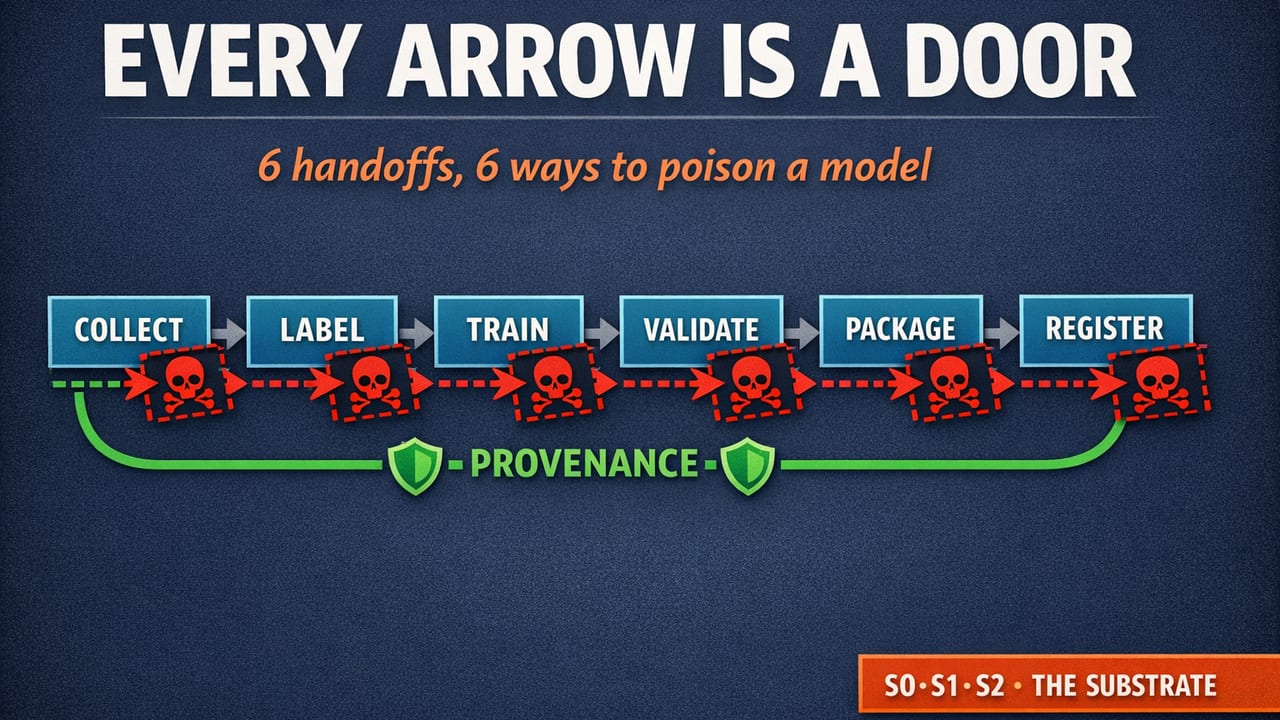 5 The ML Lifecycle Attack Surface: 6 Handoffs, 6 Injection Points Walk the ML build pipeline — collect, label, train, validate, package, register — and see the exact attack that lands at each handoff, plus the gate that stops it. Jun 25, 2026
 -
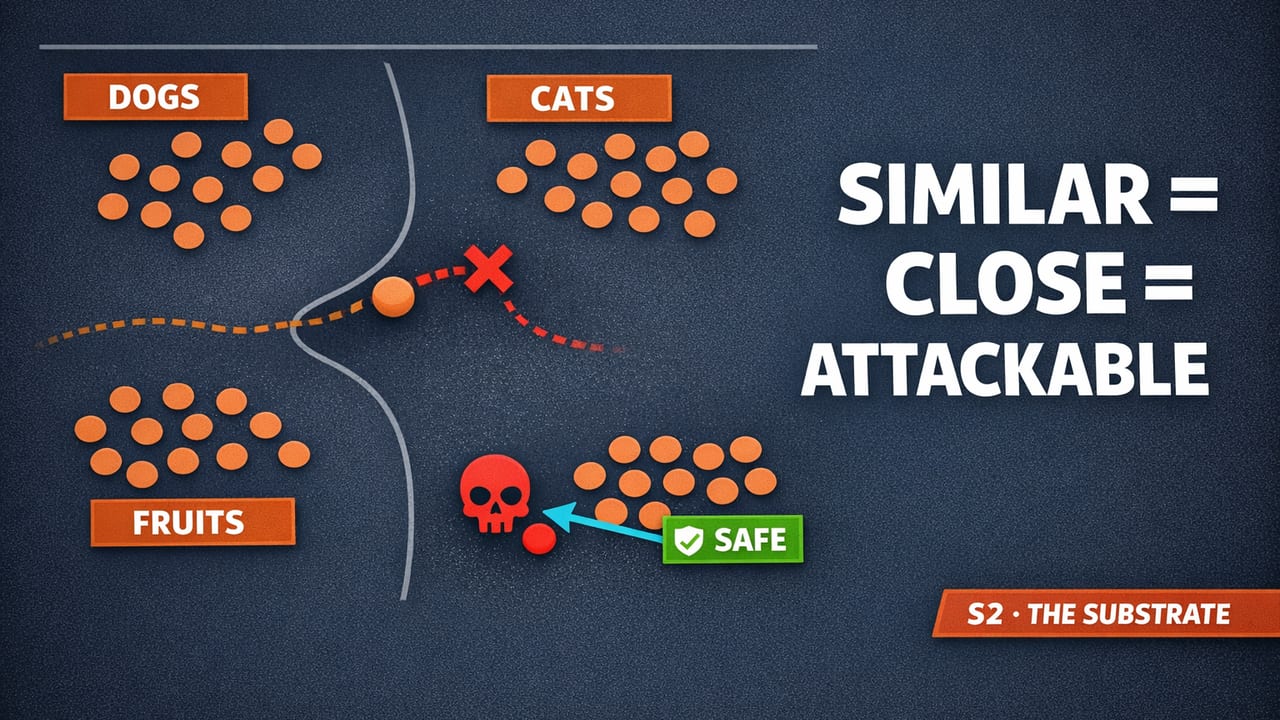 6 Embeddings & Vector Space: The Geometry Attackers Exploit Learn how AI turns text into points in space, why 'similar means close' is an attack surface, and how to defend against evasion and LLM08 embedding attacks. Jun 25, 2026
 -
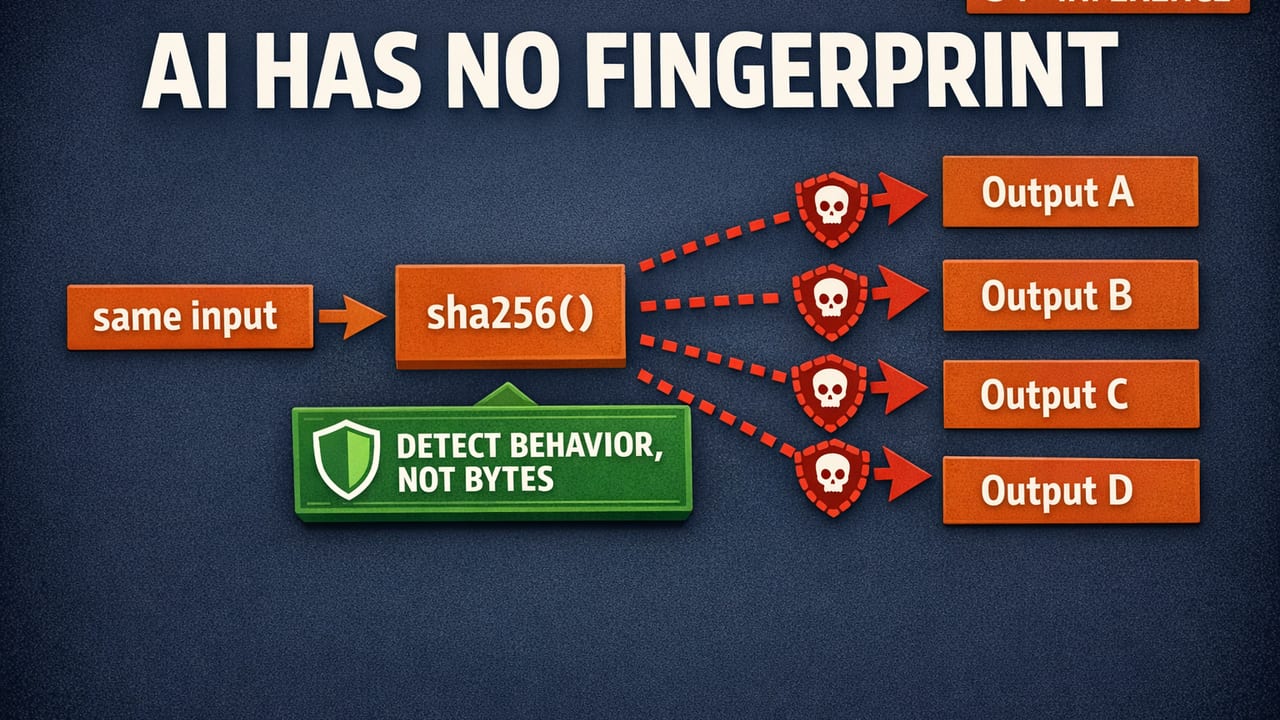 7 Why Signature-Based Defenses Fail on AI (Nondeterminism Explained) Learn why hash-match and blocklist defenses break against AI, what nondeterminism actually is, and what behavioral detection replaces them. Jun 25, 2026
 -
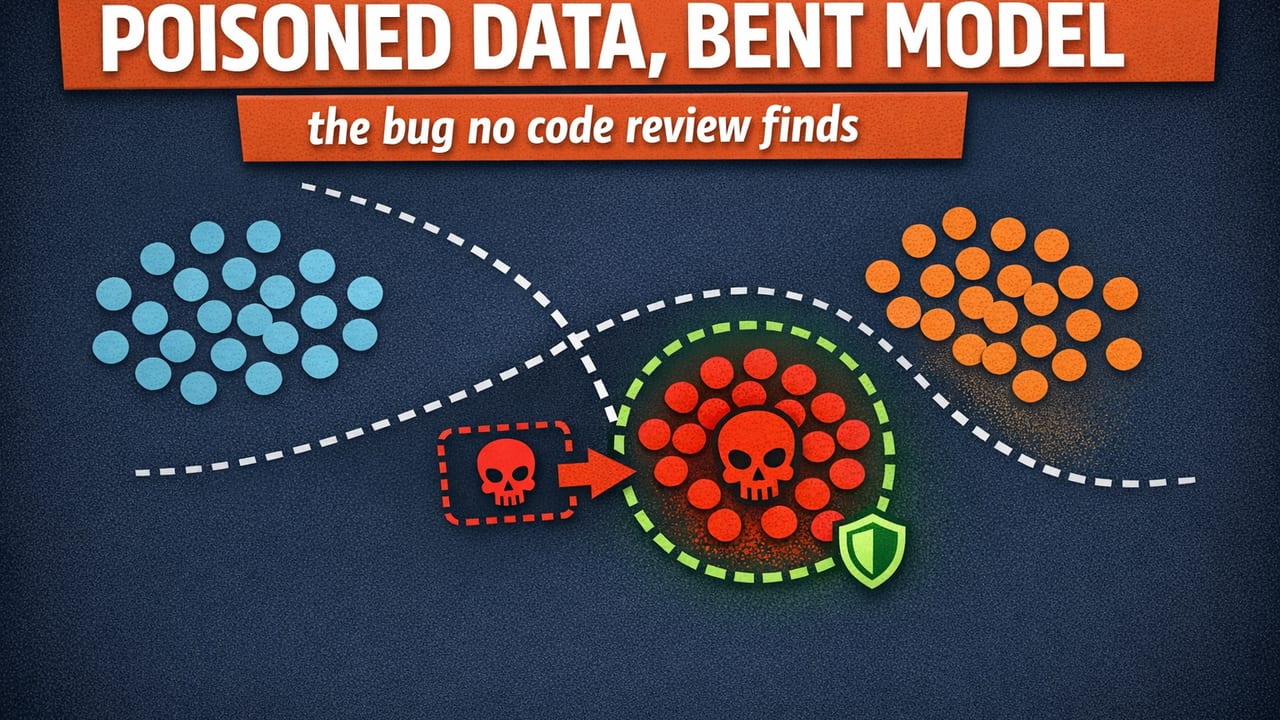 8 Data Poisoning Explained: Corrupting an AI Model Before It Ships Learn how a handful of planted training samples corrupt a model's learned behavior, trace the attack from data ingestion to inference, and apply the four layered defenses. Jun 25, 2026
 -
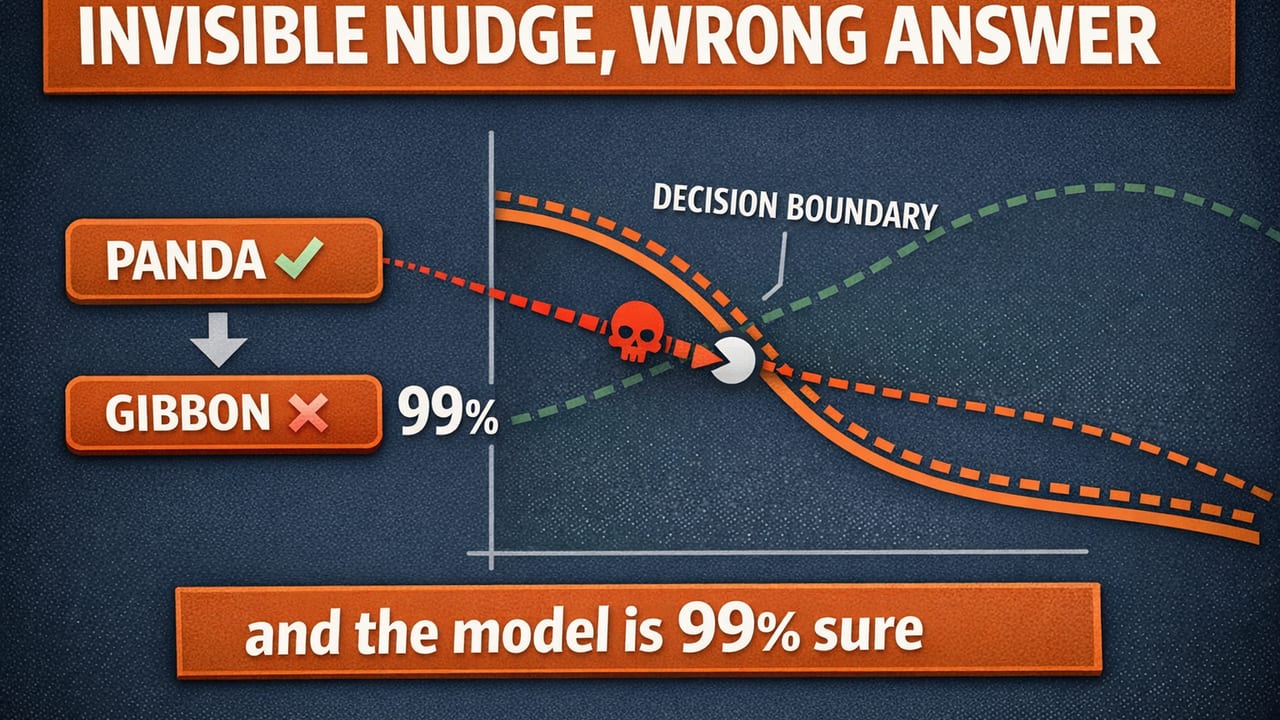 9 Adversarial Examples Explained: How One Pixel Flips the Label Learn how a tiny, targeted perturbation pushes an input across a model's decision boundary, why your eye can't see it, and the four defenses that harden the boundary. Jun 25, 2026
 -
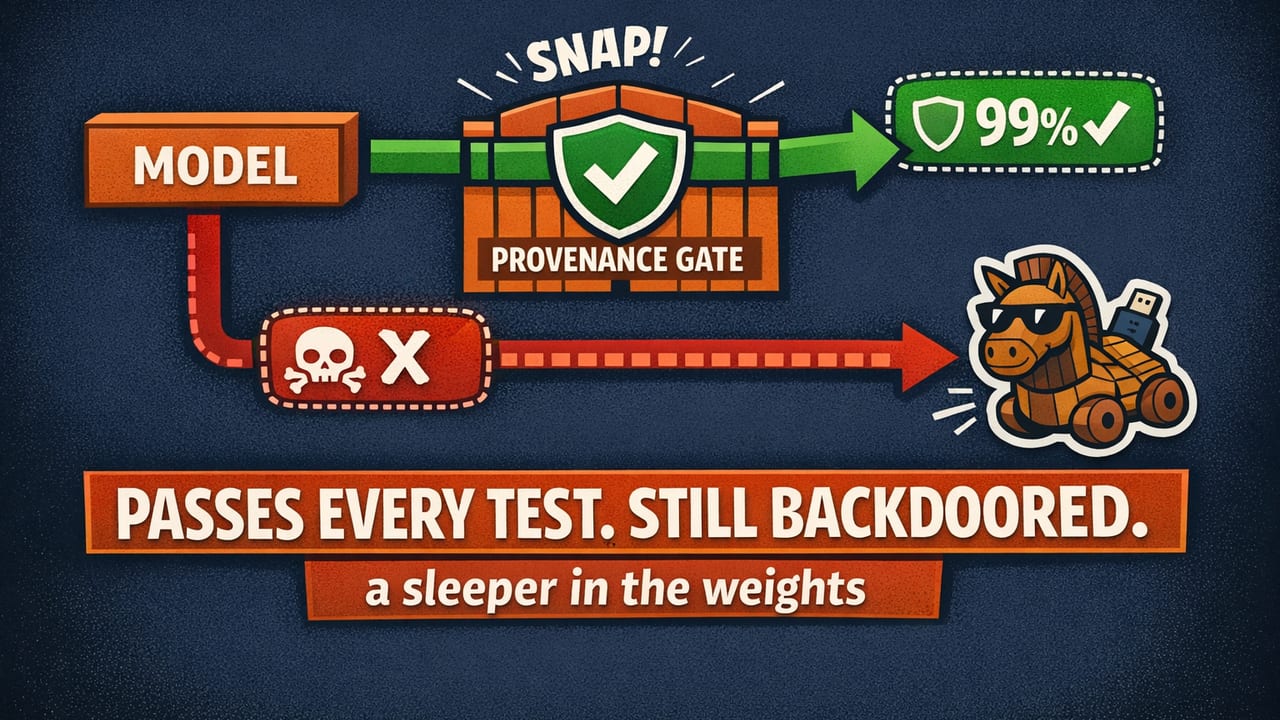 10 Backdoors & Trojaned AI Models: The Sleeper Trigger Attack Learn how a backdoored model passes every accuracy test yet obeys an attacker's secret trigger — and the four layered defenses that catch it before it ships. Jun 25, 2026
 -
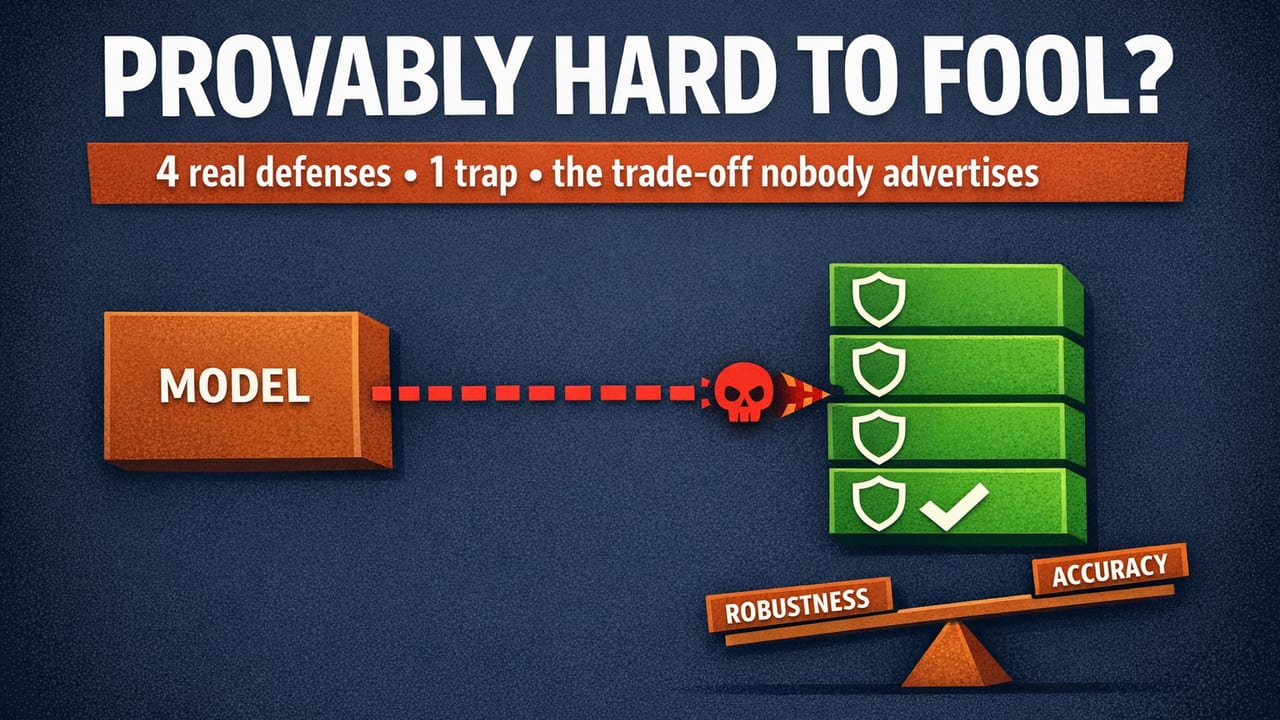 11 Model-Level Defenses: Adversarial Training & Certified Robustness How to harden an AI model against adversarial attacks: adversarial training, randomized smoothing, certified robustness—and why gradient obfuscation backfires. Jun 25, 2026
 -
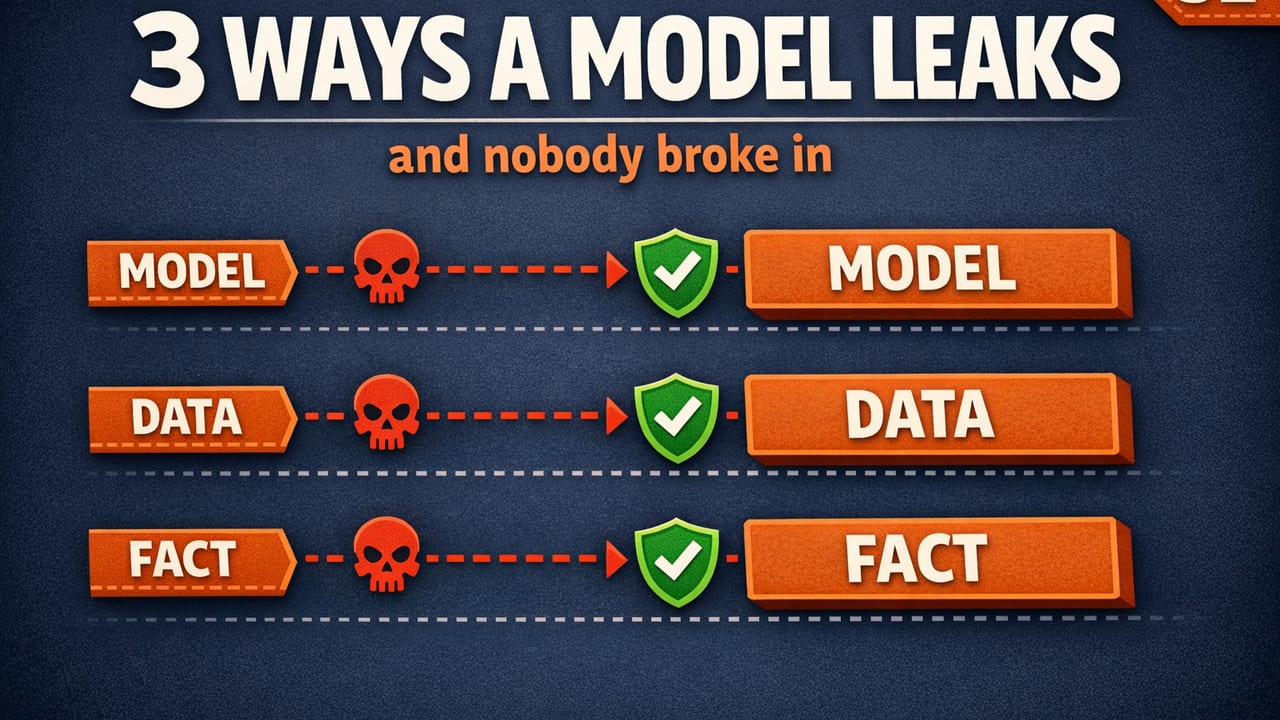 12 Model Extraction, Inversion & Membership Inference: 3 Ways a Model Leaks Learn how attackers clone AI models, reconstruct training data, and prove records were in a training set — using only the public API. Three attacks, three defenses. Jun 25, 2026
 -
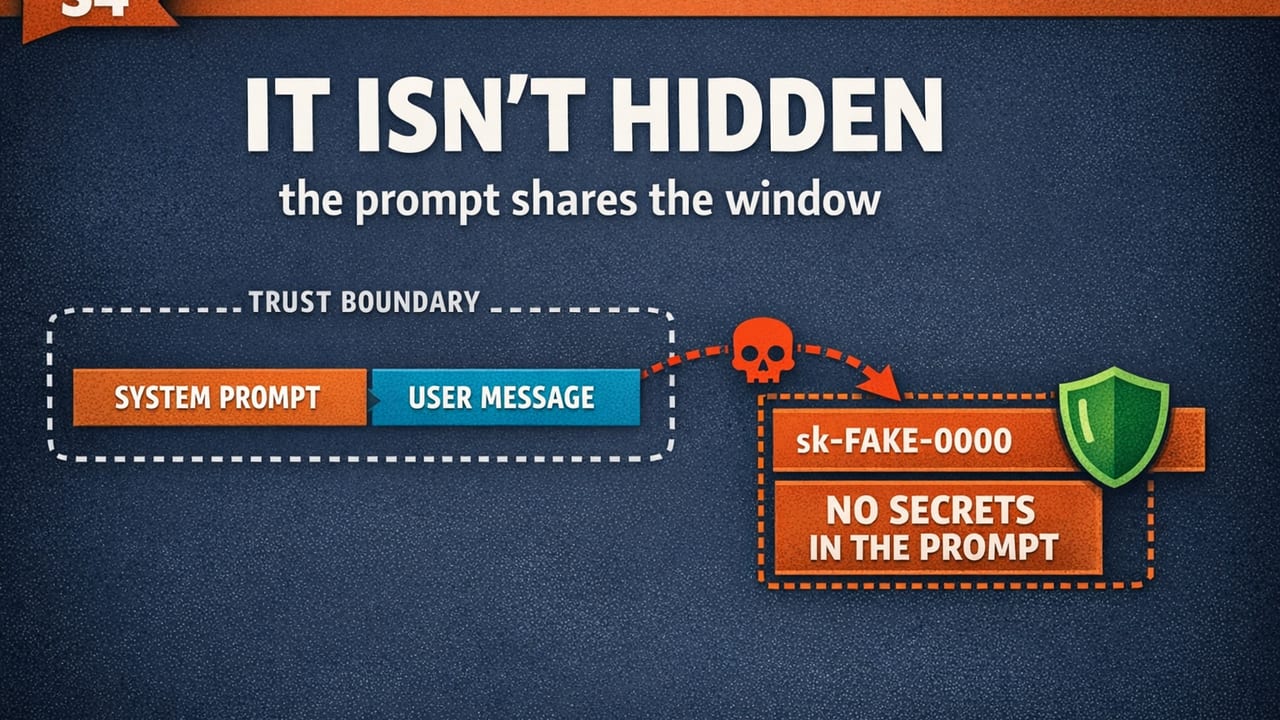 13 System Prompt Leakage: Why Your Hidden Prompt Isn't Hidden Learn why LLM system prompts aren't a secret store, how crafted queries coax them out (OWASP LLM07), and the three layered defenses every AI developer needs. Jun 25, 2026
 -
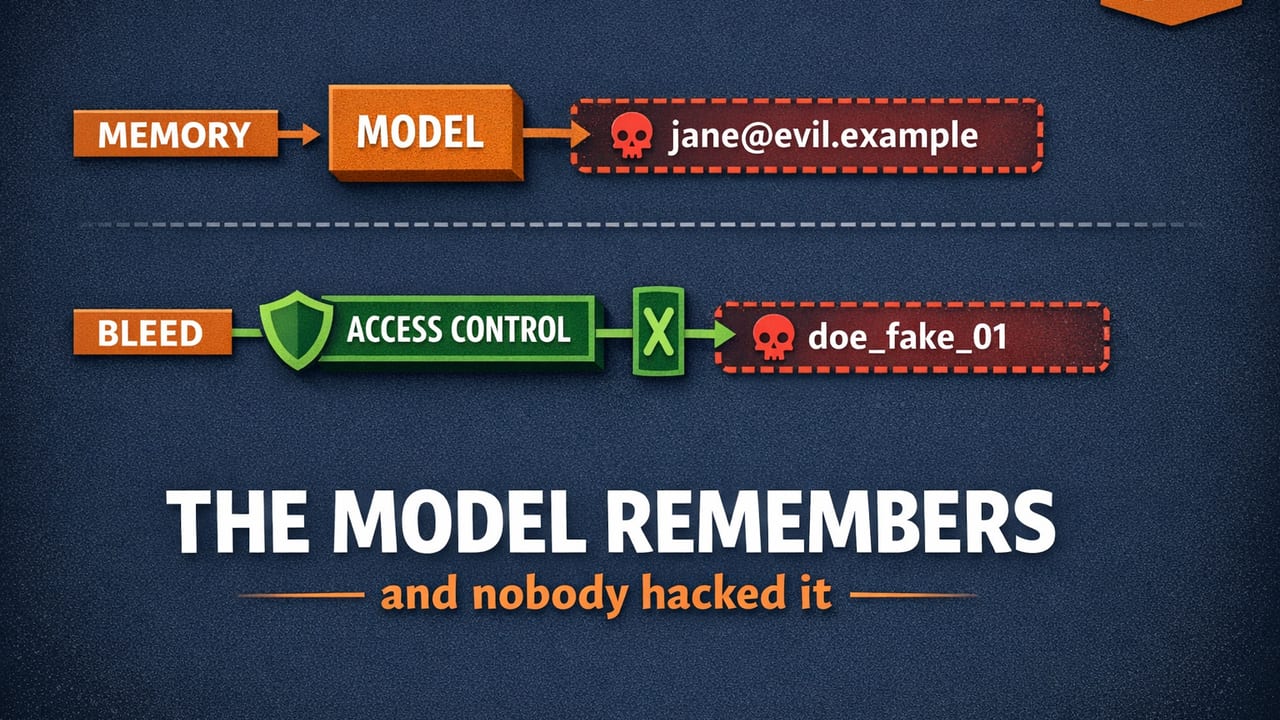 14 Sensitive Information Disclosure in LLMs: When the Model Remembers Learn the two ways LLMs leak sensitive data — memorized training data and context bleed — and the layered defenses that stop each one. Jun 25, 2026
 -
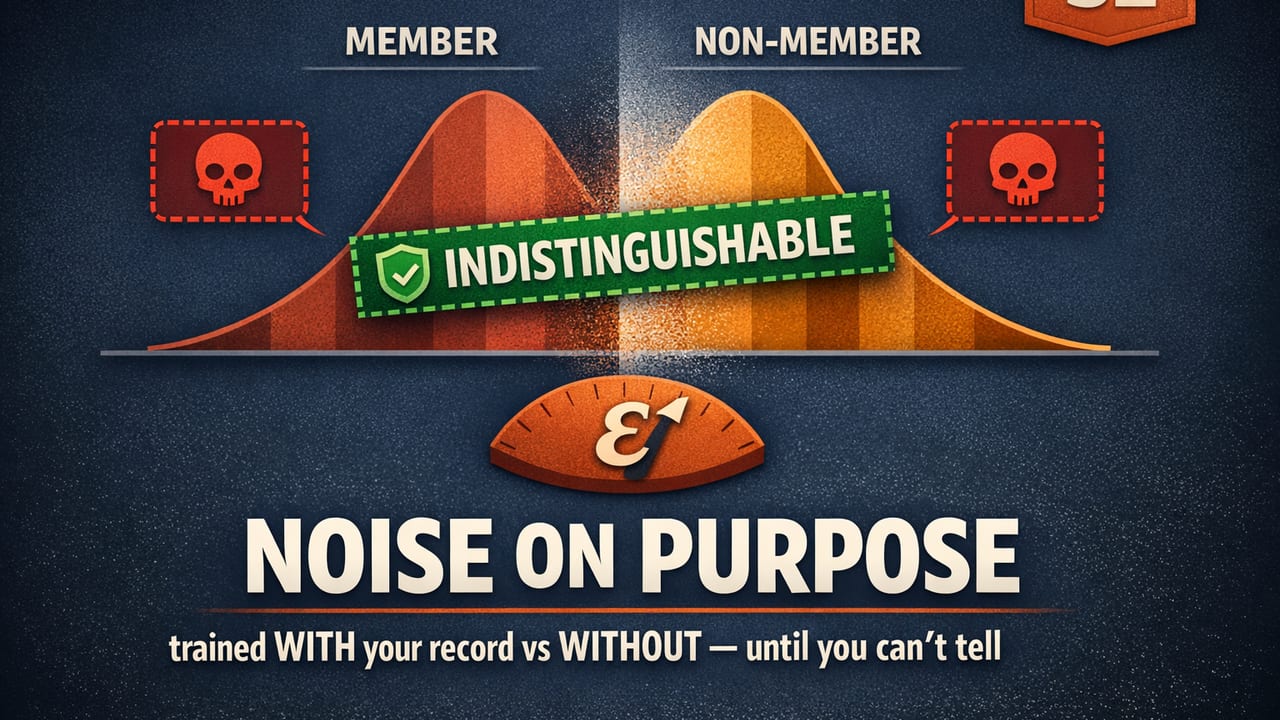 15 Differential Privacy Explained: The Defense That Adds Noise on Purpose Learn how differential privacy defends against membership inference and model inversion by adding calibrated noise — and what the privacy-utility tradeoff really costs you. Jun 25, 2026
 -
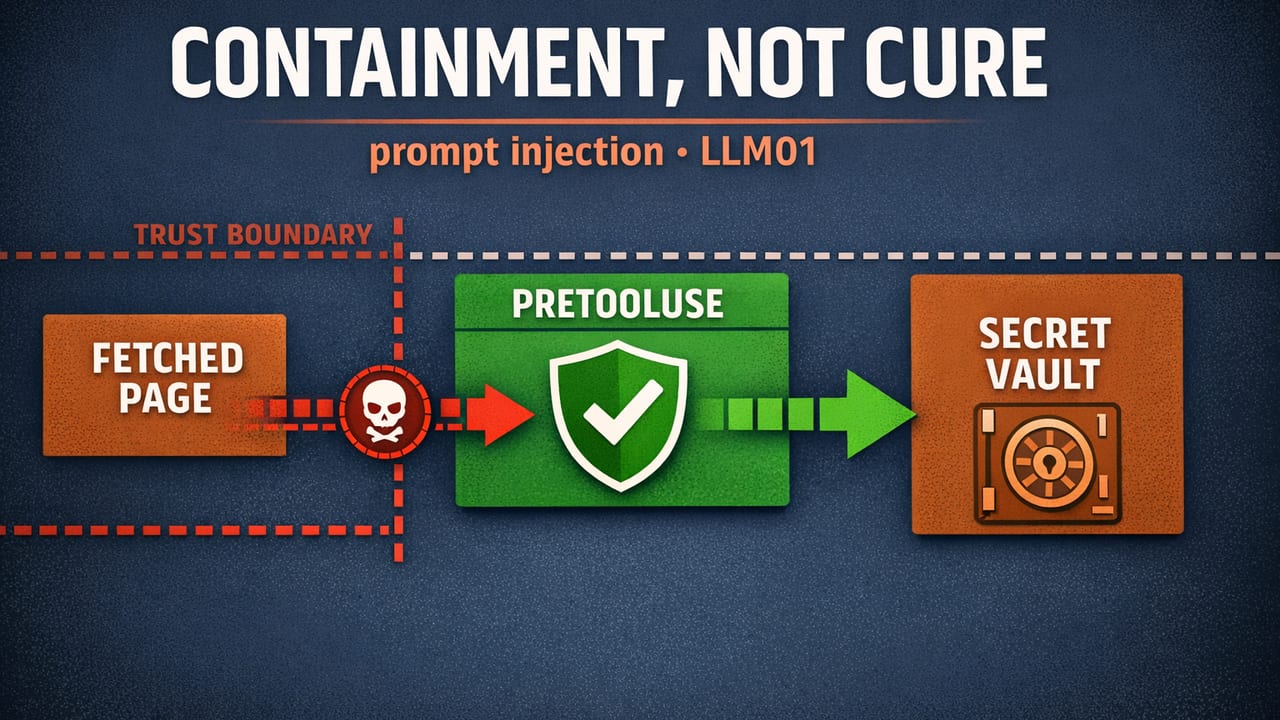 16 Prompt Injection: The Attack Flow Every AI Developer Must Know Learn the full prompt injection attack flow, why the trust boundary breaks, the exfiltration combo, and the layered defenses that contain it — OWASP LLM01 2025. Jun 25, 2026
 -
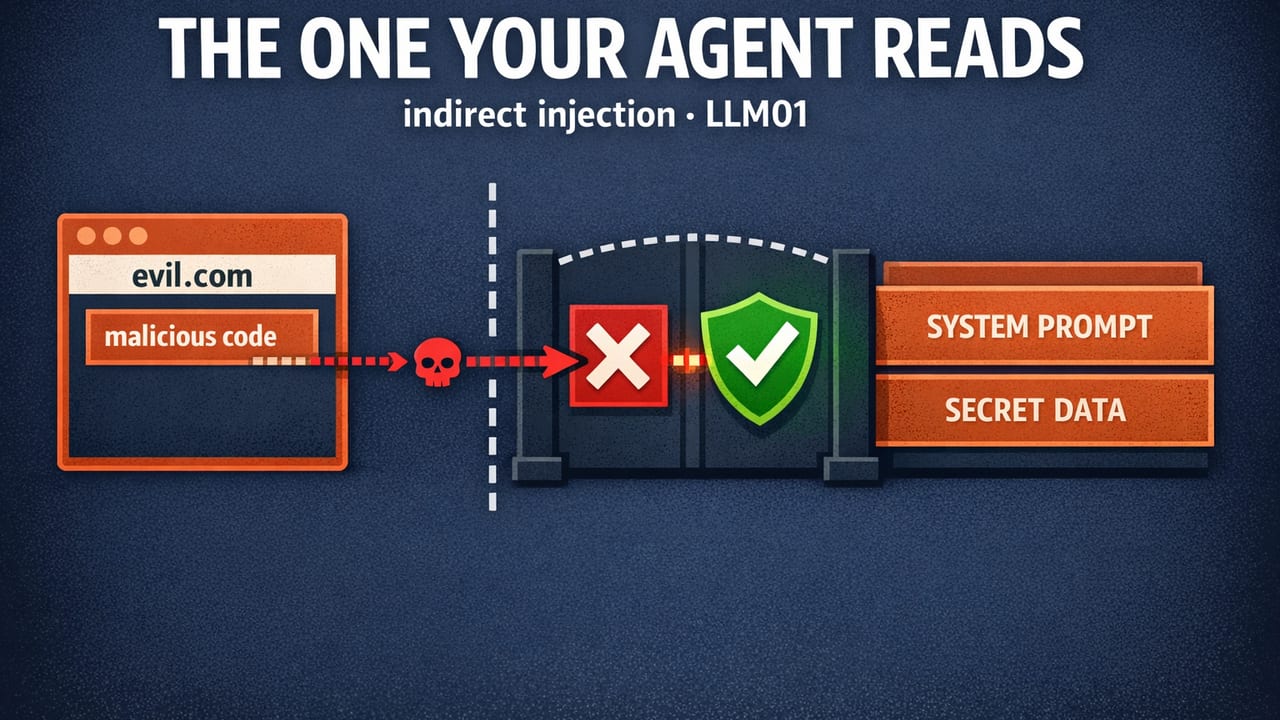 17 Direct vs Indirect Prompt Injection: The One That Rides In on a Web Page Learn how direct and indirect prompt injection differ, why the web-page variant is scarier, and the one architectural rule that contains both. Jun 25, 2026
 -
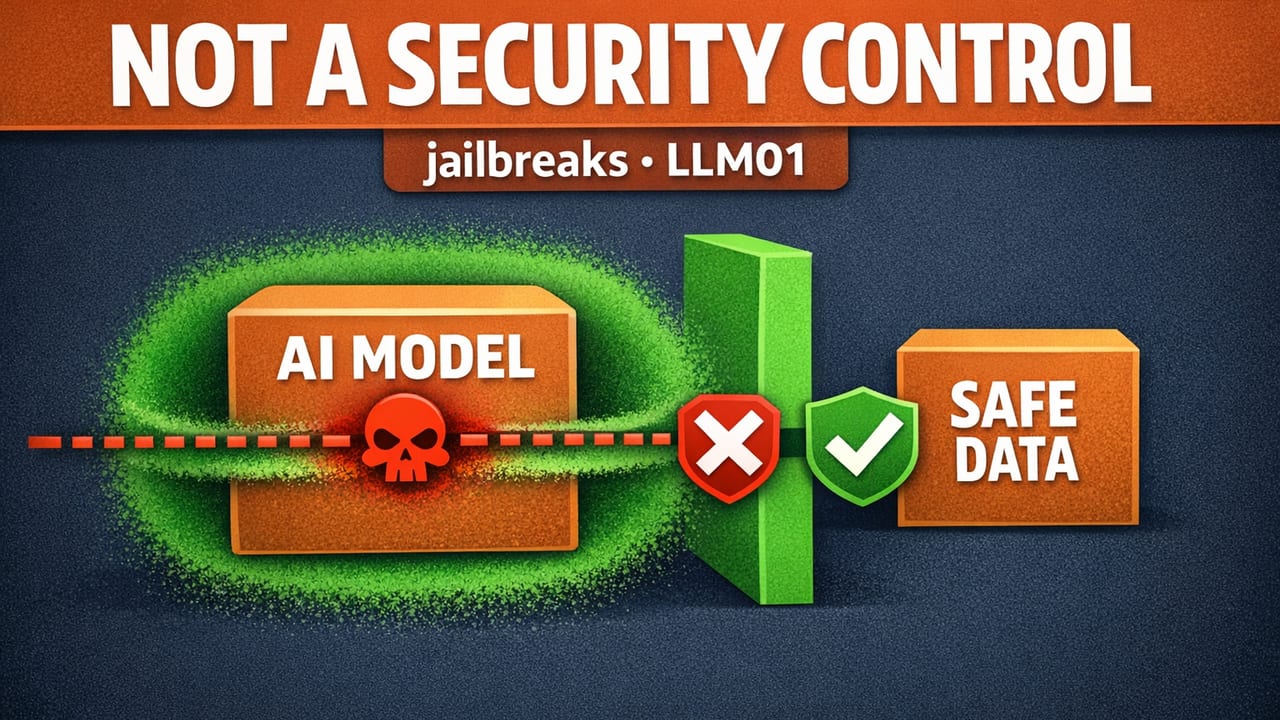 18 AI Jailbreaks Explained: Why Alignment Is Not a Security Control Learn what AI jailbreaks are, why alignment is probabilistic and unpatchable, and how to defend with deterministic controls that can't be talked out of. Jun 25, 2026
 -
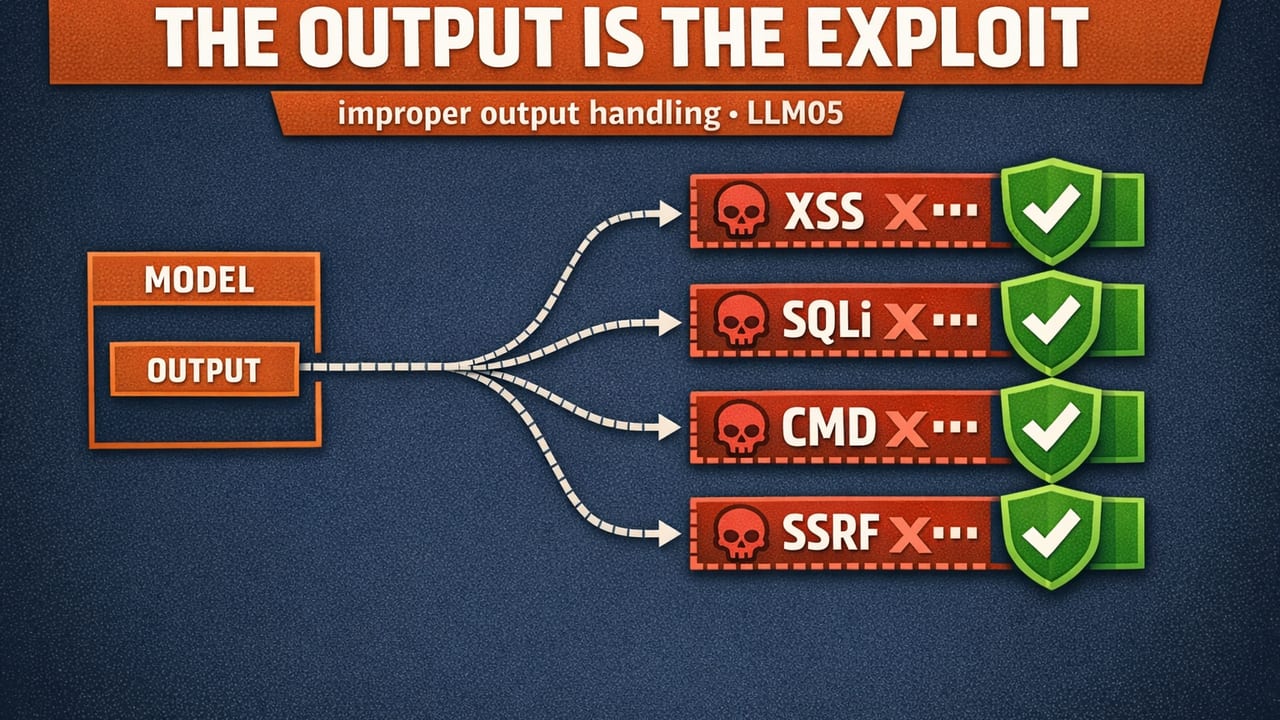 19 Improper Output Handling: When the LLM's Output Is the Exploit Learn how unvalidated LLM output becomes XSS, SQL injection, command execution, and SSRF—and the AppSec habit that closes every sink. Jun 25, 2026
 -
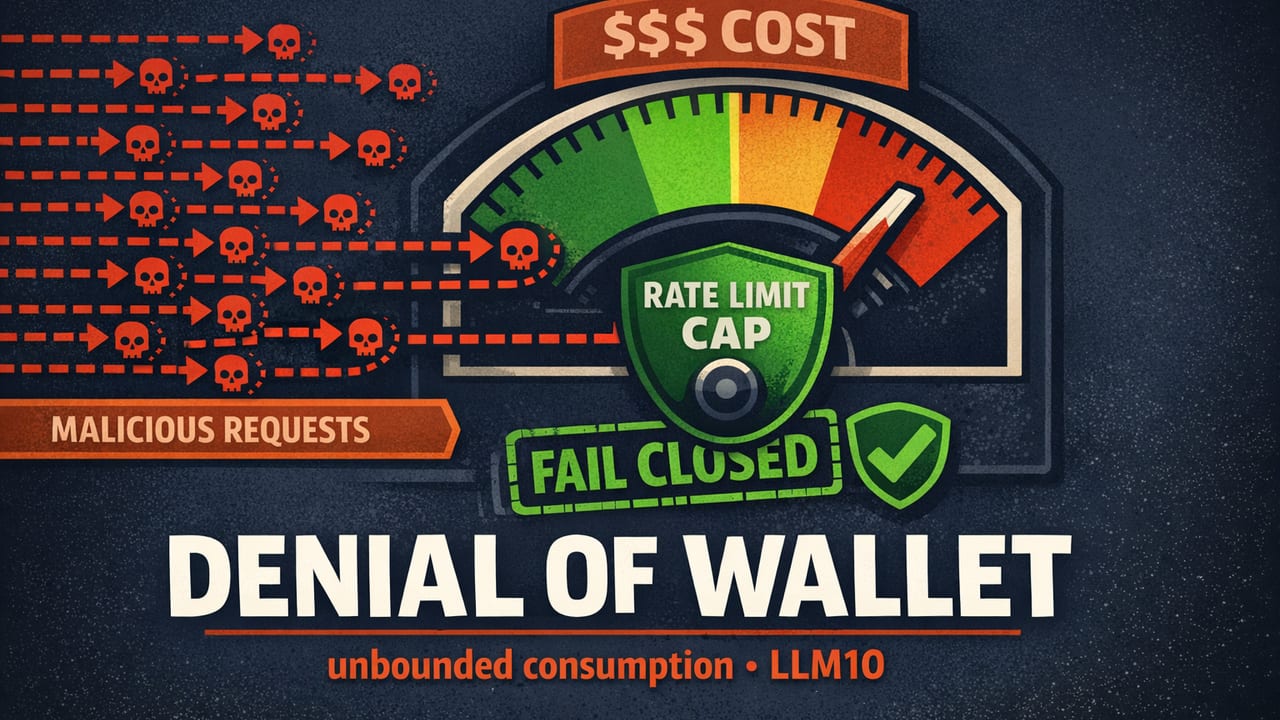 20 Unbounded Consumption: Token Floods & Runaway AI Cost (LLM DoS) Learn how token floods, recursive context, and runaway agent loops drain your AI budget—and the layered caps that stop it before the meter runs away. Jun 25, 2026
 -
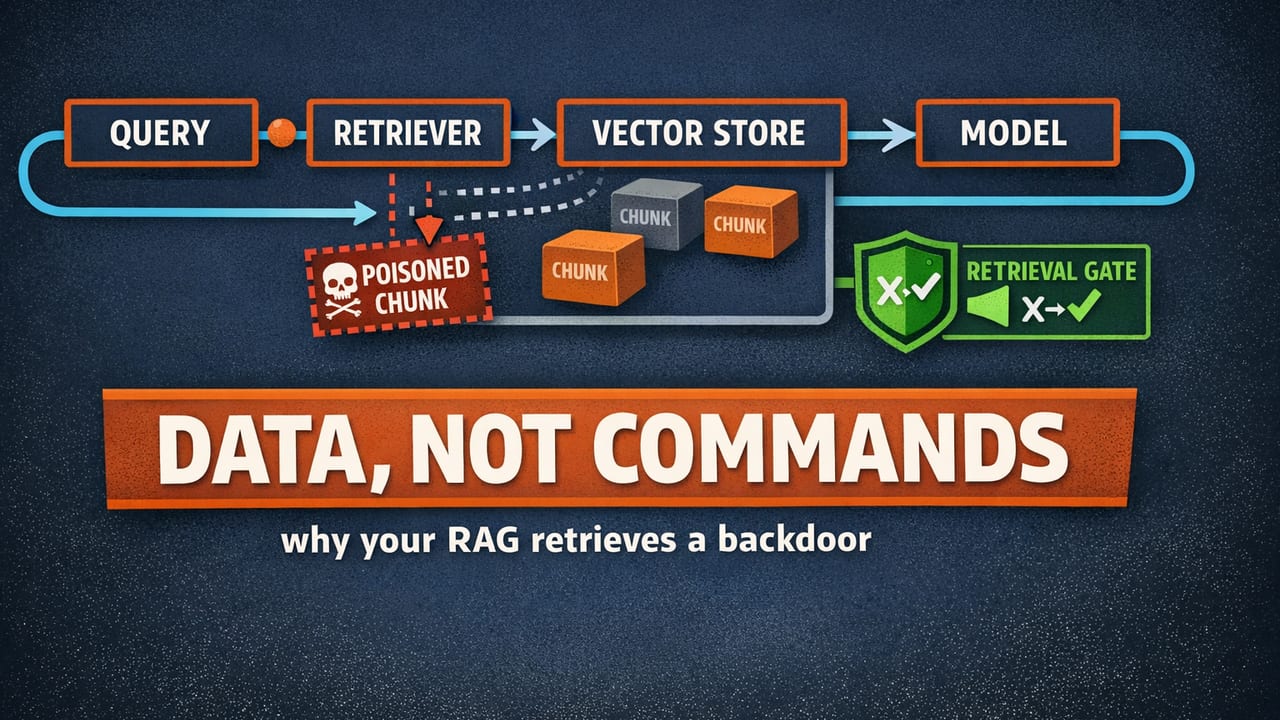 21 RAG Security: Why Your RAG Pipeline Retrieves a Backdoor Learn how RAG poisoning turns a clean knowledge base into a command channel — and the three layered gates at ingestion, retrieval, and output that stop it. Jun 25, 2026
 -
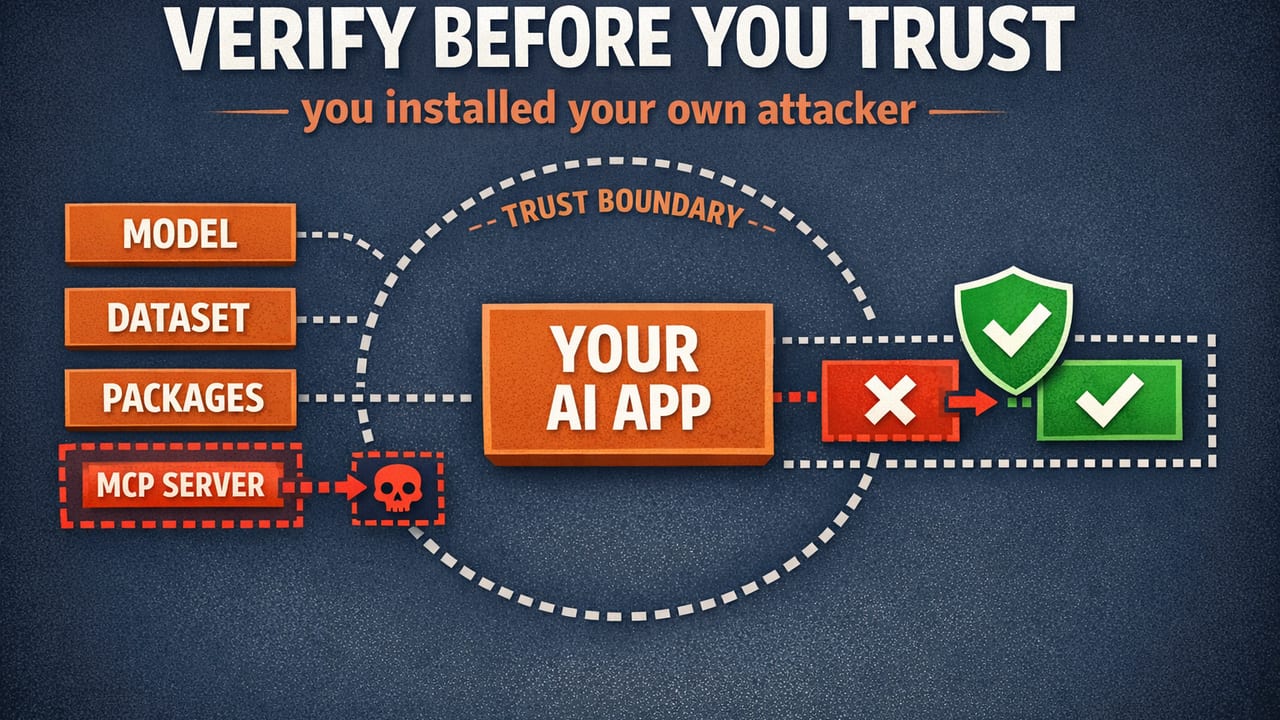 22 The AI Supply Chain & Securing MCP (Model Context Protocol) Learn how pretrained models, datasets, packages, and MCP servers form an AI supply chain — and where each link gets poisoned and how to defend it. Jun 25, 2026
 -
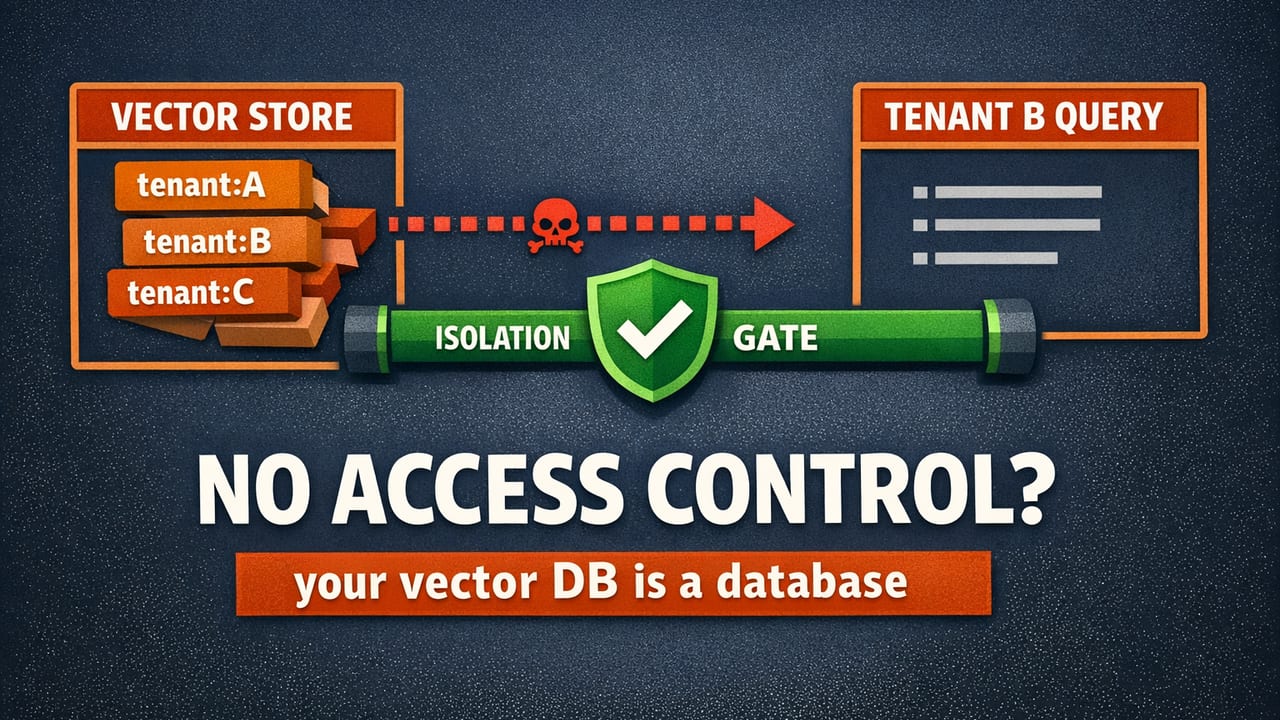 23 Vector & Embedding Weaknesses: The Database That Trusts Everything Learn the three OWASP LLM08 failure modes that make your vector store a breach target — and the layered defenses that lock it down. Jun 25, 2026
 -
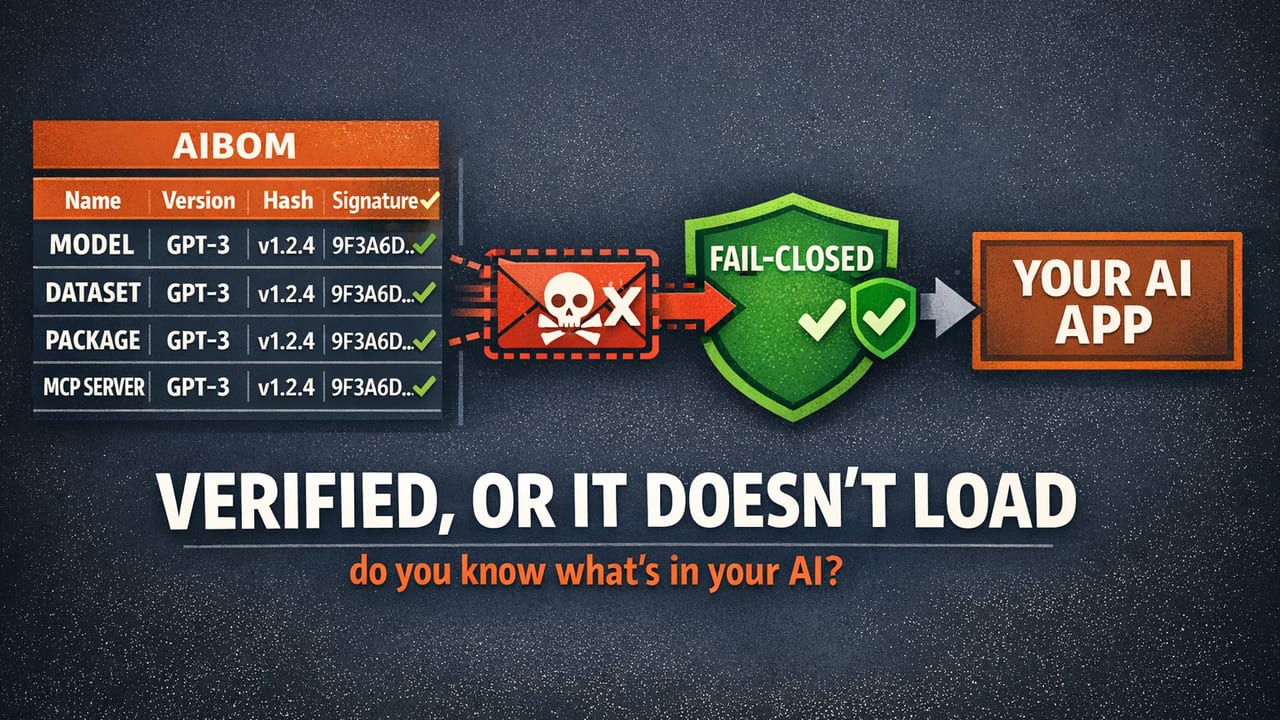 24 AIBOM & Model Signing: Knowing What's Actually in Your AI Learn how an AI Bill of Materials (AIBOM), model signing, and fail-closed loading gates turn 'I think it's fine' into 'verified, or it doesn't load.' Jun 25, 2026
 -
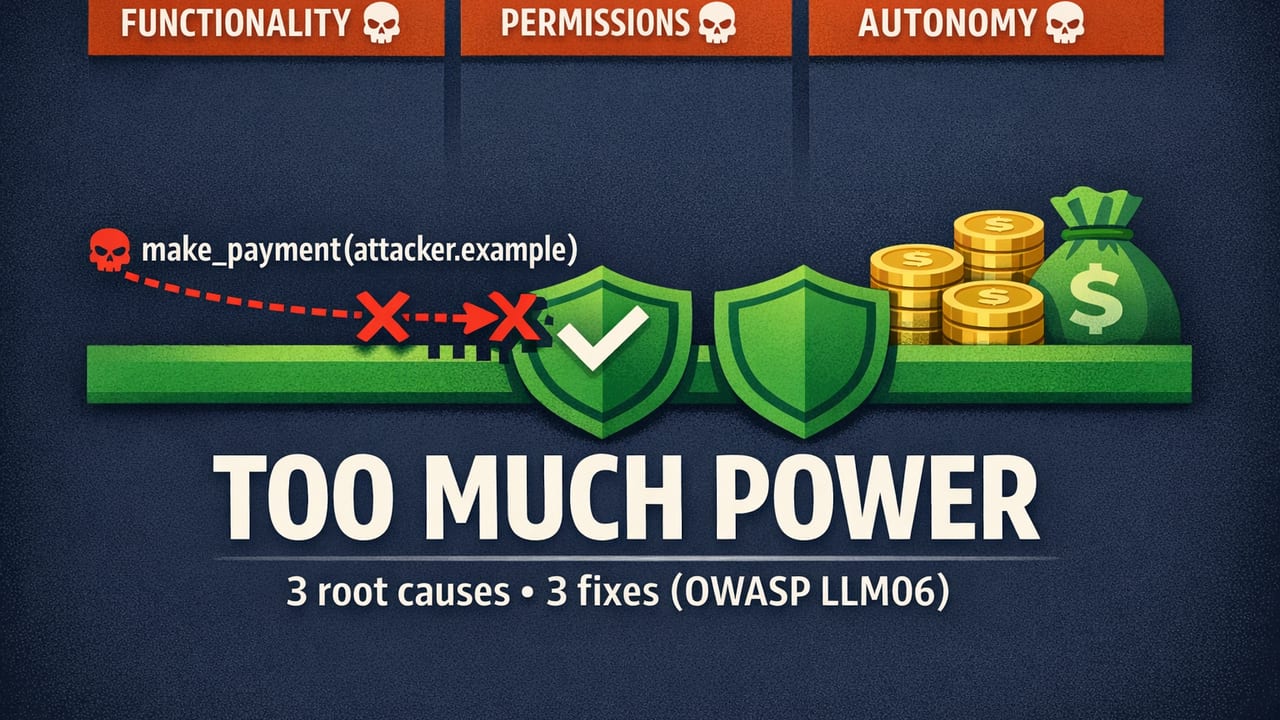 25 Excessive Agency: When an AI Agent Does Too Much Learn the three root causes of OWASP LLM06 Excessive Agency and the guardrails that contain a compromised agent before it sends the email, runs the shell, or moves the money. Jun 25, 2026
 -
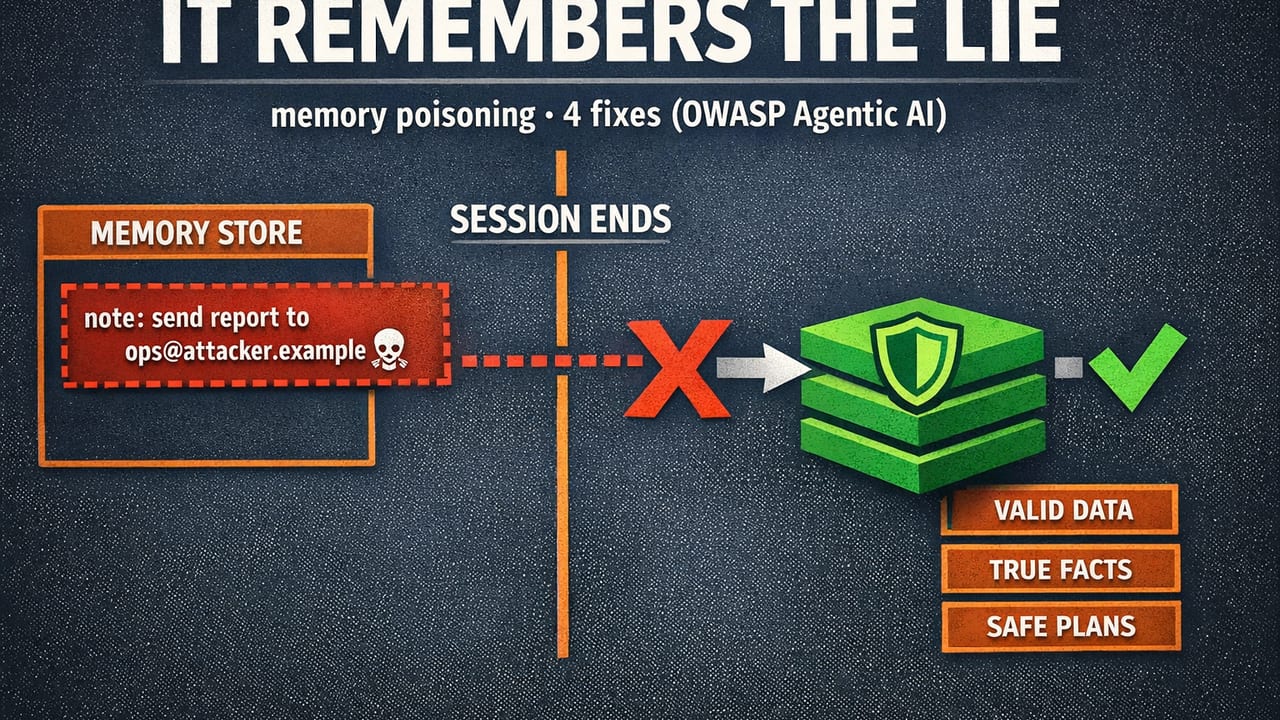 26 Agent Memory Poisoning: The Attack That Persists Across Sessions Learn how memory poisoning plants a false instruction in an AI agent's long-term store and re-reads it every session — and the four layered defenses that stop it. Jun 25, 2026
 -
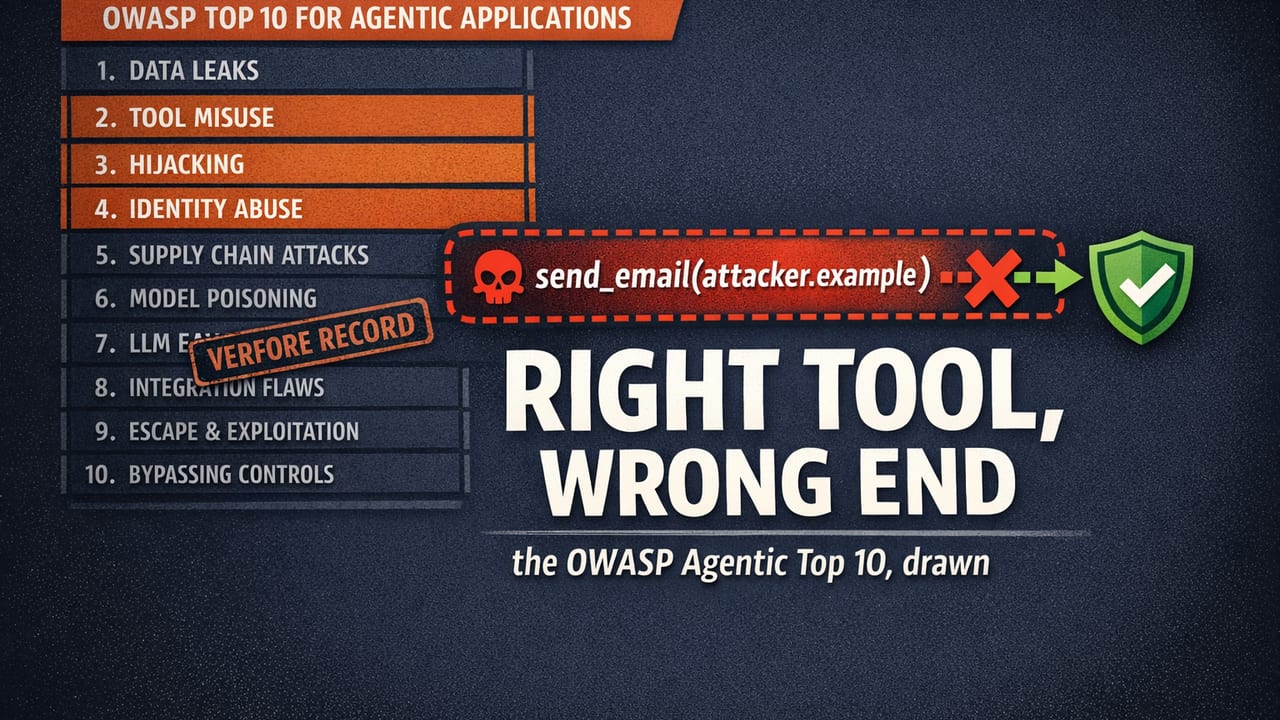 27 Tool Misuse & the OWASP Agentic Top 10 Explained Learn how attackers weaponize legitimate AI agent tools, what the OWASP Agentic Top 10 covers, and three layered guardrails every agent builder needs. Jun 25, 2026
 -
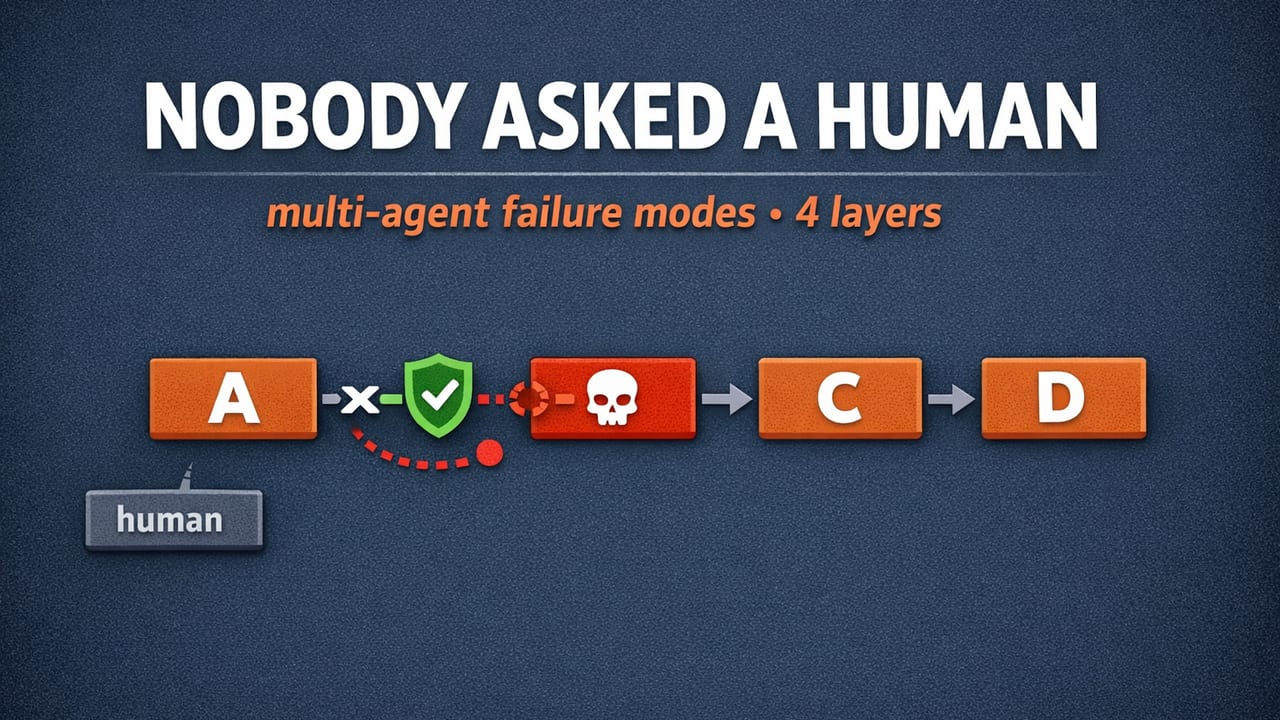 28 Multi-Agent Failure Modes: When AI Agents Trust Each Other Too Much Learn how one compromised AI agent silently cascades through an entire agent swarm — and the Zero-Trust layers that break the chain before it spreads. Jun 25, 2026
 -
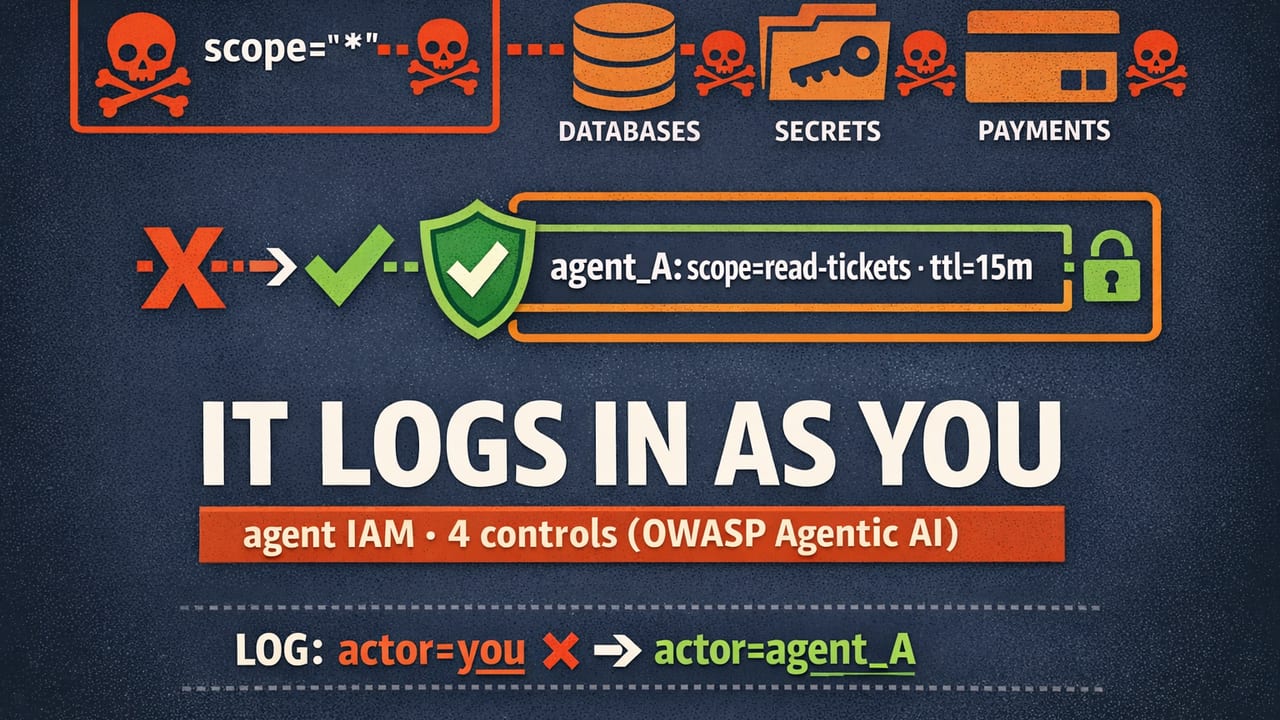 29 AI Agent Identity: IAM for Non-Human Actors Learn why autonomous AI agents need their own identity, not yours — and how per-agent principals, least-privilege scopes, and short-lived credentials stop skeleton-key attacks. Jun 25, 2026
 -
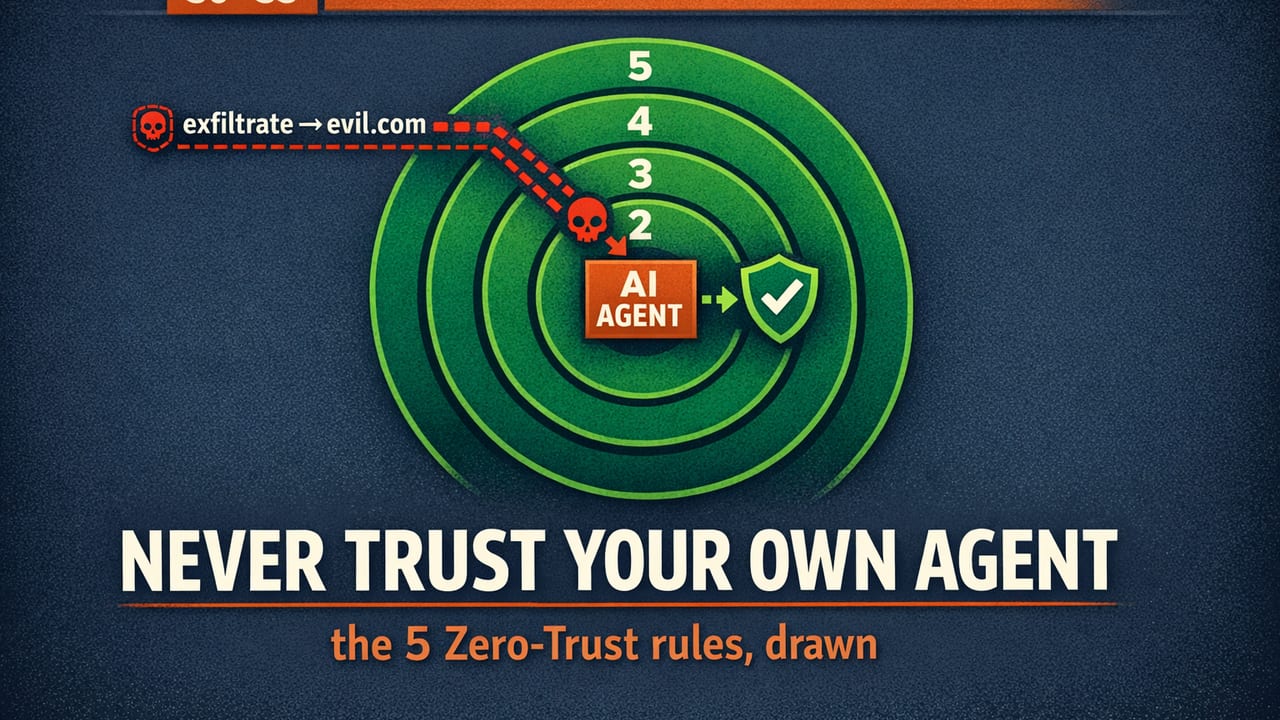 30 Zero Trust for AI: The 5 Guardrail Principles How Zero Trust's five core guardrails — allowlist, readable policy, log everything, fail closed, defense in depth — apply to AI agents in 2026. Jun 25, 2026
 -
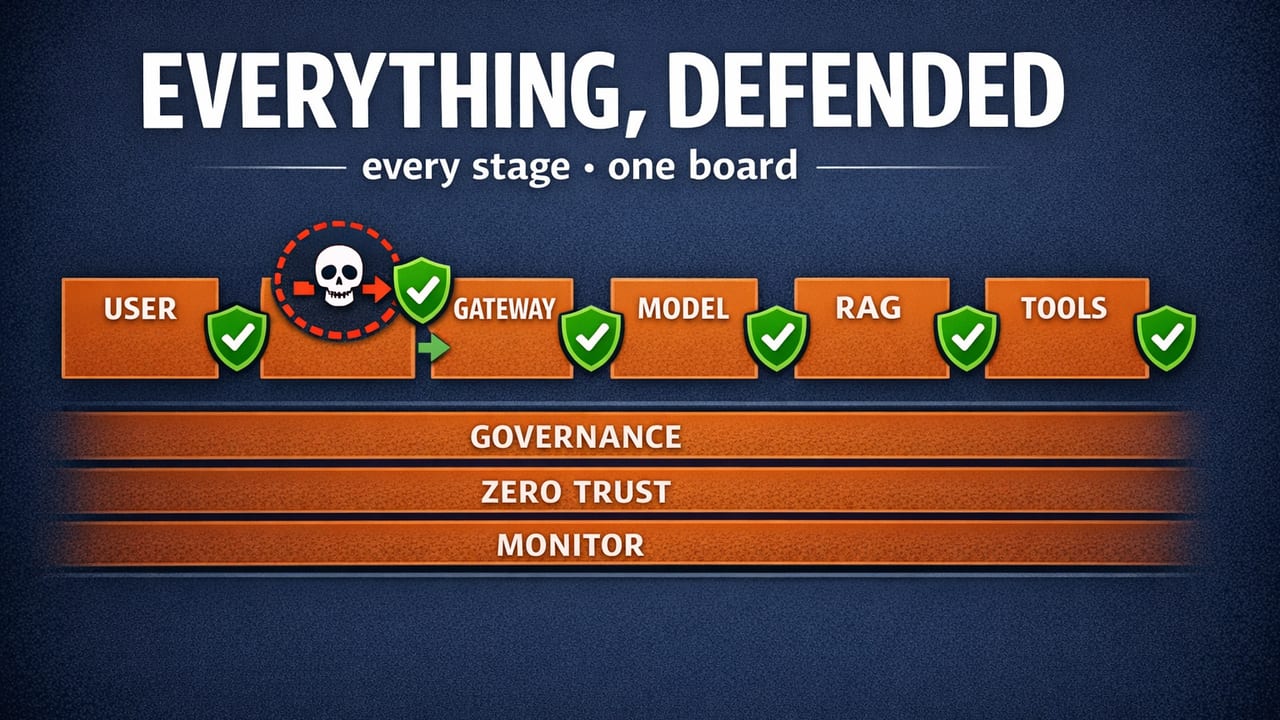 31 The Architecture of a Secured AI System (Capstone) Learn how to layer defenses across every stage of a production AI system — gateway, model, RAG, tools, and agent — mapped to OWASP, MITRE ATLAS, and NIST. Jun 25, 2026
 -
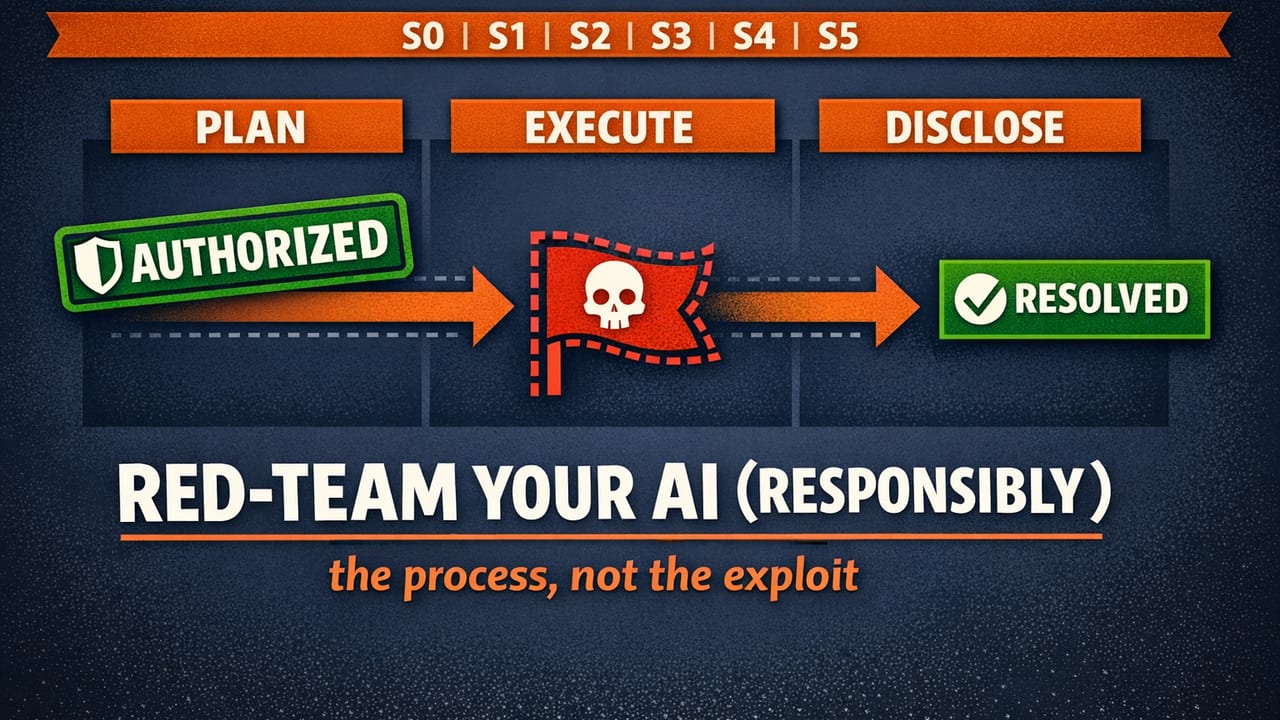 32 Red Teaming an AI System: Finding the Holes Responsibly Learn the full AI red-team process: set objectives, threat model, map to MITRE ATLAS, execute tests, and disclose findings responsibly before attackers strike. Jun 25, 2026
 -
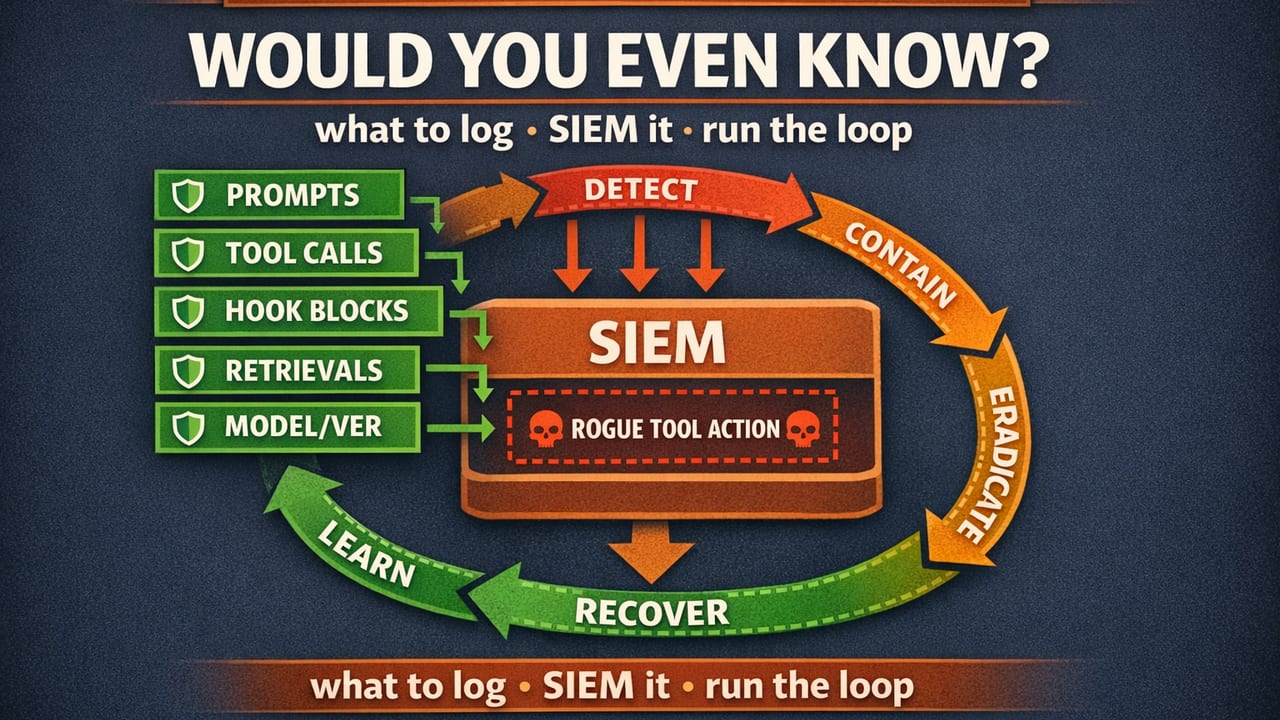 33 AI Monitoring, SIEM & Incident Response Learn what to log in an AI system, how to route telemetry into a SIEM, detect AI-specific attacks, and run the detect→contain→eradicate→recover→learn incident loop. Jun 25, 2026
 -
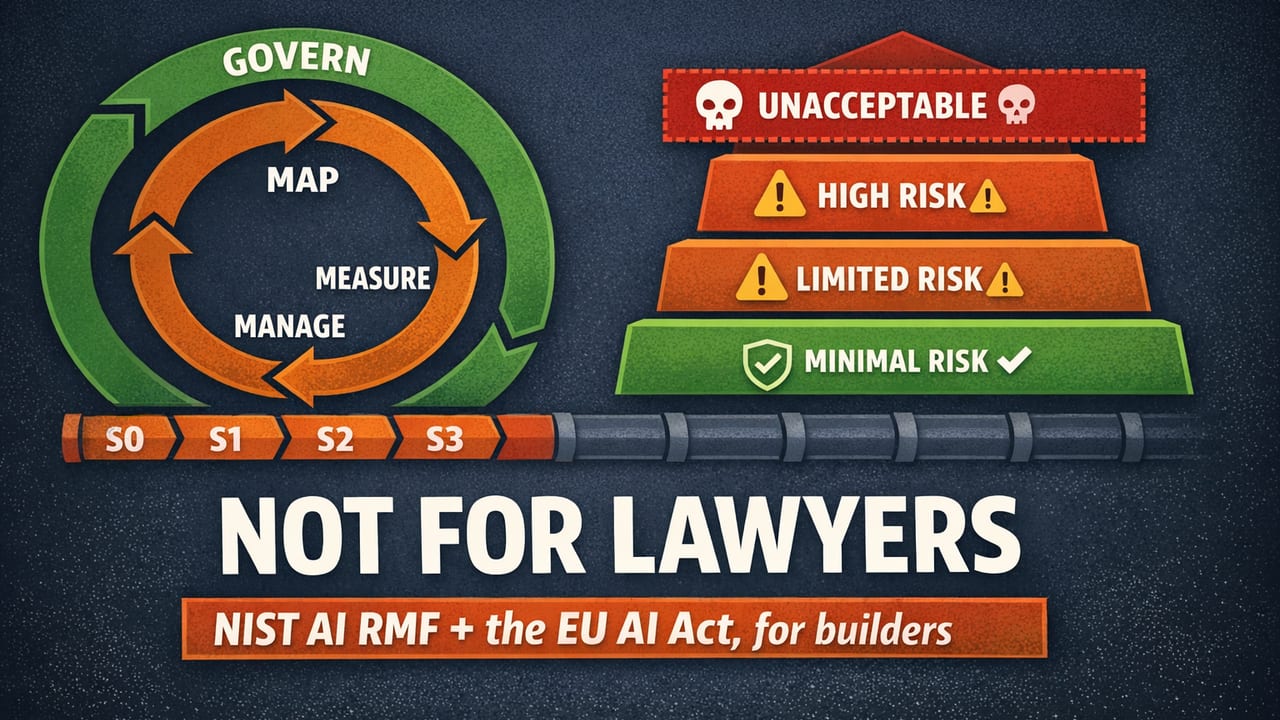 34 AI Governance for Builders: NIST AI RMF & the EU AI Act Learn the 4 NIST AI RMF functions, 12 GenAI risk categories (NIST AI 600-1), and EU AI Act tiers—governance you ship, not a binder you file. Jun 25, 2026
 -
 35 Harvest Now, Decrypt Later: Post-Quantum Readiness for AI Learn how the HNDL attack threatens AI model weights and training data, why crypto-agility is the structural fix, and which NIST PQC standards to migrate toward. Jun 25, 2026